Sustainable Agriculture & Food Security
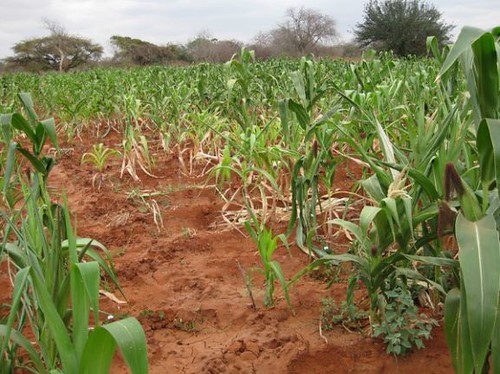
Photo: NASAu2019s Rainfall Data used to Monitor Crop Conditions in Uganda by NASA Goddard Photo and Video is licensed under CC-BY 2.0
We are facing many new challenges in the 21st century: a pandemic, unpredictable markets, political and social unrest, and the unprecedented escalation of climate change. In a maze of independent and at times, colliding nations, how will societies address the critical urgency of maintaining and improving food security?
In a complex global trade environment, nations will have to work more closely together than ever before and make comprehensive investments in localized small to large scale sustainable agriculture to build a multi-tiered resistance to potential food shortages. If the pandemic taught us anything, it’s that even wealthy nations are vulnerable to food system collapse. Whether caused by worker shortages, wildfires or trade wars, a diversified, multilateral approach to food security is the way of the future.
The Current State of Food Security in the 21st Century: A Critical Analysis
Food security remains one of the most pressing challenges of the 21st century. Defined by the Food and Agriculture Organization (FAO), food security exists when all people have physical, social, and economic access to sufficient, safe, and nutritious food to meet their dietary needs for an active and healthy life. This essay delves into the current state of global food security, examining recent data and trends, the impact of climate change, economic factors, policy responses, and potential solutions that shape the food security landscape.
Overview of Global Food Security Trends
As of 2024, approximately 673 million people faced hunger globally, accounting for 8.3% of the world’s population. While this figure reflects a slight decrease from previous years, the disparities between regions continue to be stark and alarming. Africa remains the hardest-hit region, with some nations like the Central African Republic showing a staggering 25% food insecurity rate. Additionally, Western Asia has witnessed rising hunger levels, where conflict exacerbates the existing vulnerabilities.
The State of Food Security and Nutrition in the World 2025 report highlights that around 2.3 billion people are experiencing moderate to severe food insecurity, an increase of 336 million compared to pre-pandemic levels in 2019. Affordability issues further exacerbate the situation, with 2.6 billion individuals unable to afford a healthy diet, reflecting a grave trend in low-income settings. The stratification of food security illustrates broader socio-economic inequalities, with urban areas often mitigating hunger better than rural locales.
The UN’s report also identifies the rapid urbanization occurring globally, with nearly 68% of the world population projected to reside in urban areas by 2050. This shift complicates food systems as urban areas face unique challenges, including high food prices, inadequate supply chains, and limited access to nutritious food. The Global Food Security Index (GFSI) illustrates these issues by highlighting that countries like Yemen and Sudan have consistently ranked among the lowest in food security due to ongoing conflict, economic instability, and reliance on food imports.
Economic Influences and Food Price Inflation
Economic factors, particularly inflation, play a crucial role in food security. Since 2020, global food price inflation has consistently outpaced overall inflation rates. In January 2023, food prices surged to 13.6%, a figure that would further increase by December 2024, where projections indicate an uptick of about 4-5% in global food prices. This dramatic shift is substantially impacting food access, especially in low-income nations where inflation rates reached 30%.
Regional differences in food prices further complicate the problem. In sub-Saharan Africa, the cost of staples such as maize and rice has more than doubled in the past two years, leading to a substantial increase in the prevalence of food insecurity. Furthermore, consumer purchasing power has been eroded due to inflation, with households shifting their diets towards inexpensive, processed foods, high in calories but low in nutritional value. Recent studies reveal a 10% increase in food prices can elevate child wasting rates by 2.7 to 4.3% and severe wasting by 4.8 to 6.1% among children under five, demonstrating that the interplay between economic stability and nutrition is particularly acute among vulnerable populations.
Climate Change: A Core Driver of Food Insecurity
Impact on Food Systems
Climate change is increasingly viewed as a vital determinant of food security in the 21st century. The adverse effects of rising temperatures, altered precipitation patterns, and increased frequency of extreme weather events disrupt agricultural productivity, leading to localized food shortages and price fluctuations. The 2025 Climate Assessment indicates that disruptions in food availability and transport channels have significantly contributed to increasing global food insecurity.
Specific studies suggest that without mitigation, climate change could lead to a 9-15% decline in global crop yields by 2050. Staple crops such as wheat, rice, and maize are expected to be disproportionately affected, with yields projected to decrease between 10-25% in tropical regions. This decline is particularly concerning given the growing global population, projected to reach 9.7 billion by 2050, creating higher demand for food at a time when supply is compromised.
Effects on Vulnerable Groups
The repercussions of climate change also disproportionately impact marginalized communities, particularly smallholder farmers, who are most vulnerable to extreme weather events. These farmers often lack access to adaptive technologies and resources, rendering them less resilient to climate shocks. A 2023 report by the World Bank underscores that increased climate variability could push an additional 132 million people into extreme poverty by 2030, eradicating decades of progress. Equity-based solutions are necessary to ensure that interventions are effective and inclusive.
One such solution is the promotion of sustainable agricultural practices, such as agroecology, which emphasizes biodiversity, soil health, and the reduction of chemical inputs. These practices not only increase resilience to climate change but also improve long-term food security by ensuring that farming systems are robust and adaptable to changing conditions.
Policy Responses and Recommendations
Government and Global Interventions
To address these escalating food security challenges, a multi-faceted approach is essential. Several policy recommendations stand out:
1. Targeted Fiscal Measures: Governments must implement time-bound tax relief, subsidies, and financial assistance programs to lower food prices for low-income households. For instance, social safety nets that provide food vouchers have been effective in mitigating hunger in many regions.
2. Strengthened Social Protection Programs: Scaling up cash or in-kind transfers and ensuring that school meal programs are accessible is critical for long-term food security. Countries that have invested in universal school feeding programs, such as Brazil and Ethiopia, have seen notable improvements in both nutrition and educational outcomes.
3. Investments in Agrifood Systems: Increased investment in research and development can lead to the adoption of resilient crop varieties. For example, drought-resistant crops have been successfully developed and deployed in East Africa’s drylands, enabling farmers to withstand extreme conditions and maintain productivity.
4. Coordination of Policy Frameworks: Aligning monetary and fiscal policies with food security objectives can stabilize markets while preventing speculative price fluctuations. The establishment of agricultural price stabilization funds can help cushion the blow during market volatility.
5. Data and Information Systems: Enhancing agricultural market information and nutrition data systems to facilitate timely policy decisions is critical. Regional data sharing initiatives can support national governments in responding to crises more effectively.
The Future Landscape of Food Security
In anticipating the future, the projections regarding food insecurity are disconcerting. Without significant interventions, estimates indicate that more than 512 million people could face hunger by 2030, particularly in regions such as sub-Saharan Africa. The ongoing need for robust data collection becomes even more critical, especially given the cancellation of key surveys like the USDA’s Household Food Security Report, which historically offered invaluable insights into hunger metrics across the United States. The suspension of this report may hinder our ability to assess food insecurity accurately, complicating the design of effective interventions.
Furthermore, the role of technology in agriculture, such as precision farming, artificial intelligence, and blockchain, presents opportunities to enhance food distribution and efficiency. Investments in food innovations, including vertical farming and lab-grown meat, could provide alternative sources to traditional agriculture, especially in urbanized areas.
Additionally, international cooperation is essential for tackling food insecurity, especially in countries experiencing conflict and political instability. Collaborative efforts can provide humanitarian aid, technical support, and capacity-building initiatives in vulnerable nations.
Conclusion
The state of food security in the 21st century presents both complex challenges and opportunities for innovation and collaboration. Climate change, economic factors, and socio-political dynamics intertwine to shape food availability, access, and utilization globally. Addressing these challenges requires a comprehensive and coordinated approach involving national governments, international organizations, and local communities.
Ultimately, transitioning towards sustainable and resilient food systems, promoting equitable access, and leveraging technology will be instrumental in ensuring food security for future generations. Failure to act decisively will endanger the nutritional well-being of billions and compromise global stability.
References
Food and Agriculture Organization. (2023). State of food security and nutrition in the world 2025. FAO.
World Bank. (2023). The impact of climate change on food security in developing countries. World Bank Publications.
Global Hunger Index. (2023). Global Hunger Index 2023: The challenge of hunger. Concern Worldwide and Welthungerhilfe.
UNICEF. (2022). The state of the world’s children 2022. UNICEF.
World Food Programme. (2022). Global report on food crises 2022. WFP.
Intergovernmental Panel on Climate Change. (2021). Climate Change 2021: The Physical Science Basis. IPCC.
United Nations. (2022). Transforming our world: The 2030 agenda for sustainable development. United Nations.
International Fund for Agricultural Development. (2023). Rural Development Report 2023. IFAD.
 brcsi.org