Pioneering Renewable Energy: Innovation and Analytics
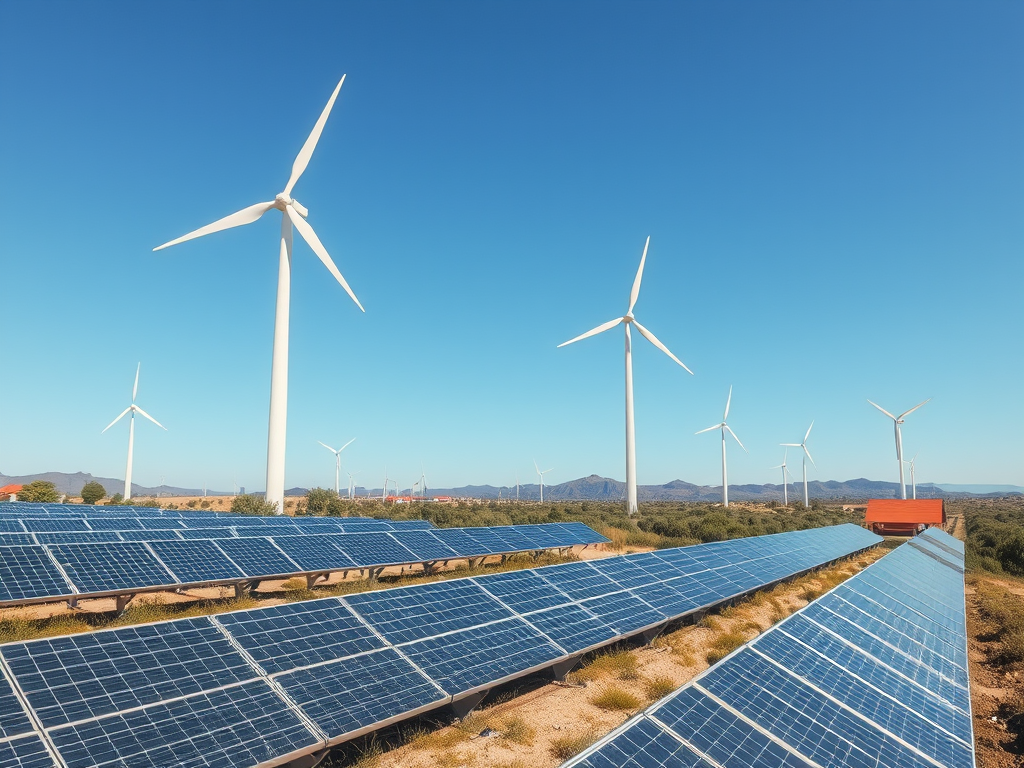
The renewable energy research department at BRCSI is dedicated to advancing renewable energy technologies and implementing robust data tracking and analytics systems through a comprehensive approach. We focus on the innovation of sustainable energy resources and rigorous data tracking and analysis to optimize technological advancement, performance and inform policy development.
Mission and Objectives
The primary mission of the BRCSI research department is to facilitate a transition to renewable energy sources through innovative research and data-driven strategies.
The key objectives include:
- Promoting the development and implementation of renewable energy technologies.
- Conducting impactful research that aligns with global sustainability goals.
- Establishing effective data tracking systems to monitor renewable energy output, efficiency, and environmental impact.
- Applying advanced analytics to derive actionable insights from data.
Key Areas of Focus
Renewable Energy Innovation
BRCSI is committed to exploring various renewable energy sources such as solar, wind, and bioenergy. The department invests in the following innovative projects:
- Solar Energy Technologies: Research on improving the efficiency of photovoltaic cells and exploring alternative materials for solar energy capture.
- Wind Energy Solutions: Development of advanced turbine designs and wind farm optimization practices.
- Bioenergy Research: Investigating the potential of biomass and waste-to-energy processes to create sustainable energy systems.
- Desalination & Renewable Infrastructure Integration: Exploring the synergistic combination of desalination technologies and renewable energy sources, aimed at efficiently providing fresh water while minimizing environmental impact and enhancing sustainability.
Data Tracking
To enhance transparency and accountability in renewable energy projects, the research department implements advanced data tracking systems that encompass:
- Real-time Monitoring: Real-time data collection on energy production and consumption patterns.
- Performance Metrics: Establishing key performance indicators (KPIs) to track the efficiency and efficacy of renewable energy implementations.
- Environmental Impact Assessment: Monitoring emissions reductions and ecological benefits as a result of adopting renewable energy solutions.
Advanced Analytics
Data analytics play a crucial role in the BRCSI’s mission. The department focuses on the following analytical approaches:
- Predictive Analytics: Employing machine learning and AI techniques to forecast energy production and demand, enabling proactive management of energy resources.
- Data Visualization: Using cutting-edge visualization tools to present complex data sets in an understandable format for stakeholders.
- Policy Development Support: Providing data-driven insights to policymakers to help shape effective renewable energy policies.
Collaborations and Partnerships
BRCSI actively collaborates with various stakeholders, including governmental bodies, industry leaders, and academic institutions, to foster innovation and share best practices. These partnerships enhance research capabilities and promote the sharing of technological advancements.
By combining cutting-edge research, extensive data tracking, and sophisticated analytics, the department is playing a vital role in driving forward sustainable energy solutions. Through these efforts, BRCSI is not only contributing to environmental sustainability but also supporting global initiatives aimed at mitigating climate change impacts.
Analytics in the Renewable Energy Sector
Analytics in the renewable energy sector refers to the systematic use of data and statistical tools to gather insights, optimize processes, and inform decision-making related to renewable energy systems. It plays a crucial role in enhancing efficiency, reducing costs, and supporting sustainable practices.
Key Components of Analytics
1. Data Collection
Analytics begins with comprehensive data collection from various sources, which may include:
- Energy Production Data: Information on output from solar panels, wind turbines, and biomass facilities.
- Consumption Data: Insights into energy usage patterns in residential, commercial, and industrial settings.
- Weather Data: Meteorological information that affects energy generation, particularly for solar and wind energy.
2. Data Processing and Storage
Data from multiple sources needs to be processed and stored efficiently. This includes:
- Data Cleaning: Removing inaccuracies and inconsistencies to ensure high-quality datasets.
- Data Warehousing: Structuring data for easy access and analysis, often using cloud-based solutions.
3. Data Analysis Techniques
Several analytical techniques are utilized in the renewable energy sector:
- Descriptive Analytics: Summarizes historical data to identify trends and patterns in energy production and consumption.
- Predictive Analytics: Uses statistical models and machine learning to forecast future energy production and demand, accounting for variables such as weather conditions.
- Prescriptive Analytics: Offers recommendations based on data analysis, guiding operational and strategic decisions.
Applications of Analytics
1. Performance Optimization
Data analytics helps optimize the performance of renewable energy systems by:
- Identifying Inefficiencies: Analyzing data to pinpoint underperforming assets or systems.
- Predictive Maintenance: Using data analytics to anticipate equipment failures, allowing for proactive maintenance that reduces downtime.
2. Resource Management
Analytics supports better resource management by:
- Demand Forecasting: Anticipating energy demand to balance supply and reduce waste.
- Grid Management: Analyzing data to enhance grid reliability and integration of renewable sources.
- Building Resilience: Leveraging analytic data to bolster the resilience of energy systems by forecasting and responding to climate and weather challenges, thereby ensuring consistent energy production and reducing disruptions in renewable energy supply.
3. Regulatory Compliance and Reporting
Analytics can facilitate compliance with environmental regulations by tracking emissions and ensuring that renewable energy systems operate within legal frameworks.
4. Investment Decisions
Data-driven insights help investors and stakeholders make informed decisions regarding funding and project development based on anticipated energy trends and financial returns.
Analytics in the renewable energy sector is essential for driving efficiency, optimizing operations, and supporting sustainable practices. By leveraging data effectively, stakeholders can improve energy production, reduce costs, and contribute positively to the global energy landscape. This analytical approach not only enhances the viability of renewable energy projects but also assists in addressing climate change challenges.
 brcsi.org