Shifting Currents: Examining the Recent Decline in Renewable Energy Adoption in the U.S.
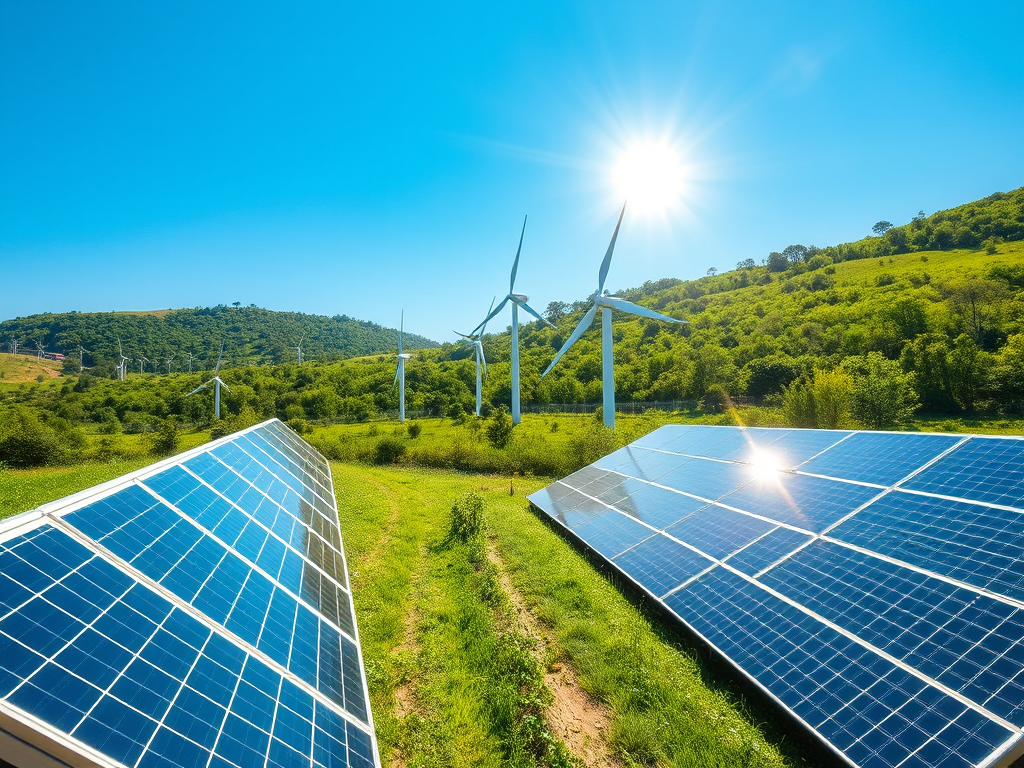
Recent trends indicate a concerning decline in the adoption of renewable energy in the United States, largely attributed to shifts in the political landscape and policy priorities. Following the 2024 elections, legislative moves have increasingly favored fossil fuel industries, with significant deregulations impacting the expansion of renewable energy initiatives. New policies have reduced funding for solar and wind energy projects, undermining previously established incentives that encouraged investment in clean technologies. Consequently, the U.S. is witnessing a stagnation in the growth of renewables, a reversal from the trajectory set prior to these political changes. According to the Energy Information Administration (EIA), the share of renewables in the energy mix is projected to decline, with a potential increase in greenhouse gas emissions as dependence on traditional energy sources resumes. This poses challenges to global climate goals and undermines efforts to transition toward a more sustainable energy future, highlighting the critical need for a renewed commitment to cleaner energy strategies amidst evolving political dynamics.
Current State of Renewable Energy Adoption
The renewable energy sector in the United States has undergone significant transformation over the past few decades, characterized by advancements in technology, decreasing costs, and a heightened emphasis on sustainability. However, recent data suggests a concerning decline in the adoption of renewable energy resources, particularly in light of the economic and regulatory shifts brought about during the Trump administration. To understand the current trends, it is essential to examine the historical context, the implications of policy changes, and the challenges facing the sector today.
As of 2023, the U.S. Energy Information Administration (EIA) reports that renewable energy sources, including solar, wind, hydroelectric, and bioenergy, constituted approximately 20% of total electricity generation. This marks a decline from the 21% reported in 2022 and underscores a potential stagnation in a sector that had previously experienced robust growth. The cumulative renewable energy capacity reached around 535 gigawatts (GW), but the rate of new installations has slowed significantly.
Solar and Wind Energy Performance
The solar energy sector, previously hailed as a leader in growth, saw new installations suffer a striking 15% decline compared to 2022. Cumulative solar capacity was around 130 GW by the end of 2023. Wind energy, which contributed approximately 9% to total electricity generation, also faced setbacks, with new installations decreasing by 10% over the same period. The cumulative wind capacity stood at about 140 GW, yet the outlook for future growth remains uncertain. The decline in renewable energy adoption can be attributed to a multifaceted interplay of economic, regulatory, and market dynamics, as well as an evolving political landscape.
Economic Factors
- Inflation and Supply Chain Disruptions: The economic fallout from the COVID-19 pandemic, compounded by geopolitical tensions such as the Russia-Ukraine conflict, has resulted in significant supply chain disruptions. The cost of renewable technologies has risen sharply, with solar module prices increasing by nearly 40% since early 2021. The increased prices have directly impacted the financial viability of new projects.
- Investment Climate: Rising interest rates have made financing more challenging. As inflation persists, lenders are becoming increasingly hesitant to back renewable projects, leading to a decline in investments. According to recent figures, investment in renewable energy projects fell by approximately 25% from the previous year.
Regulatory Challenges and Policy Changes
- Federal Policies under the Trump Administration: The Trump administration implemented various regulatory rollbacks that adversely impacted the renewable energy sector. The withdrawal from the Paris Agreement and the focus on promoting fossil fuels created a less favorable environment for renewables. The administration also ceased many incentives for renewable energy development, including tax credits that have historically supported solar and wind projects.
- State-Level Regulatory Environment: States play a significant role in energy policy, and some have adopted more stringent regulations regarding the siting and development of renewable projects. Public opposition due to land use and environmental concerns has delayed critical approvals and undermined project viability.
Public Perception and Market Dynamics
Despite strong public support for renewable energy, perceptions of higher costs associated with renewables have influenced adoption rates. As of 2023, about 80% of electricity generation was still derived from fossil fuels, indicating a growing dependence on natural gas as a transitional energy source. This trend creates challenges for renewables, as economic considerations often overshadow environmental imperatives.
Implications for Future Adoption
The recent decline in renewable energy adoption has several implications for the U.S. energy landscape:
- Achievement of Climate Goals: The U.S. has set ambitious targets, including a 50% reduction in greenhouse gas emissions by 2030 and achieving net-zero emissions by 2050. The current slowdown in renewable energy adoption jeopardizes these goals, potentially leading to extended reliance on fossil fuels and exacerbated climate change.
- Market Competitiveness: A continued emphasis on fossil fuel investments could inhibit market growth for renewable energy technologies. The loss of market share might stunt innovation and slow the transition to a low-carbon economy.
- Grid Reliability and Energy Security: A diversified energy mix enhances the reliability of the electricity grid. A significant decline in renewable energy adoption could lead to vulnerabilities, particularly during peak demand periods, increasing the risk of power shortages and price volatility.
Shifts in Governance and Future Prospects
While the Biden administration has reinstated several incentives for renewable energy, the long-term impact of the Trump administration’s policy shifts continues to resonate in the sector. The Inflation Reduction Act of 2022, for instance, aims to bolster renewable investment by extending tax credits and introducing new subsidies for clean technologies. However, the effectiveness of these measures remains to be seen, particularly as public and private interest in transitioning to clean energy grows amid ongoing economic uncertainties.
Advancements in battery storage and grid technology are critical for ensuring the reliability of renewable sources, which are often intermittently available. The integration of energy storage solutions is paramount for stabilizing the grid as renewable penetration increases—a challenge that the current regulatory framework must address more robustly.
Technological Advancement and Cost Reduction
The decreasing costs of solar photovoltaic systems and wind turbine technologies have historically enabled significant growth in renewable energy adoption. Nevertheless, a pause in innovation due to investment pullbacks could stall future advancements. Continued research and development are necessary for lowering costs and improving efficiencies, particularly in energy storage, which is vital for accommodating higher shares of renewables in the grid.
Public Engagement and Acceptance
Fostering public acceptance remains essential for the future of renewable energy adoption. Stakeholders must engage communities in conversations about the benefits of renewable technologies, addressing concerns related to land use, aesthetic values, and local environmental impacts. Increasing public awareness and understanding can cultivate a more favorable atmosphere for new projects, facilitating smoother regulatory processes.
Conclusion
The recent decline in renewable energy adoption in the U.S. is a complex issue influenced by a myriad of economic, regulatory, and market dynamics exacerbated by past political decisions and a rapidly changing global environment. As federal and state policies evolve, the emphasis on supporting renewable technologies through tax incentives and subsidies will be crucial. Fostering public acceptance and investment in technological innovation are vital components of a comprehensive strategy for revitalizing the sector.
To avoid falling short of climate goals, the U.S. must solidify its commitment to renewable energy development and prioritize a shift towards a clean energy future. By addressing existing challenges and leveraging opportunities for innovation, the nation can not only enhance energy security and grid resilience but also position itself as a leader in the global energy transition. The decisions made today will shape the future of energy in the United States for generations to come.
 brcsi.org